
In the news
Loading
These stories mention Dell in passing rather than reporting on it directly.

I have spent most of my working life inside fashion. For more than a decade I modelled clothes for some of the world’s great houses and magazines, and I loved it: the craft, the people, what a garment can say about who wears it. What I never did was ask who grew it. When I

Artificial Intelligence (AI) could help advance health, education, scientific research and conservation, but its direction raises urgent questions about who benefits, who decides and what kind of world we leave behind. This article argues that universities must do more than teach people to use AI: they must strengthen independent judgement, democratic participation and responsibility for

Today’s ESG Updates Chicago Researchers Warn Super El Niño Could Drive Heat Deaths Past 450,000: A new analysis projects the current “super El Niño” could cause up to 451,000 excess heat deaths, with East Asia and Sub-Saharan Africa hit hardest. EU Governments Move to Keep Carbon Prices From Spiking: EU countries agreed to keep more
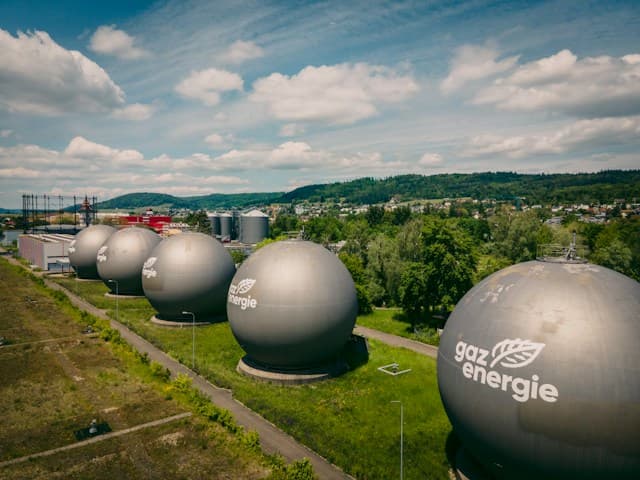
Today’s ESG Updates Governments Turn to Hydrogen as Fuel Prices Soar: Air Liquide’s chief executive says energy security concerns sparked by the Iran conflict are driving renewed government interest in clean hydrogen, even as China pulls ahead. Multilateral Banks Retreat From Climate Finance Targets Under US Pressure: The World Bank, IDB and ADB are dropping

Think about the following question: Who are climate adaptation plans built around? Intuitively, one would answer that they are built around the people who actually live inside them, the affected communities. In reality, that is far from the truth; national adaptation plans are drafted by ministries and consultants, while financing strategies are designed and negotiated
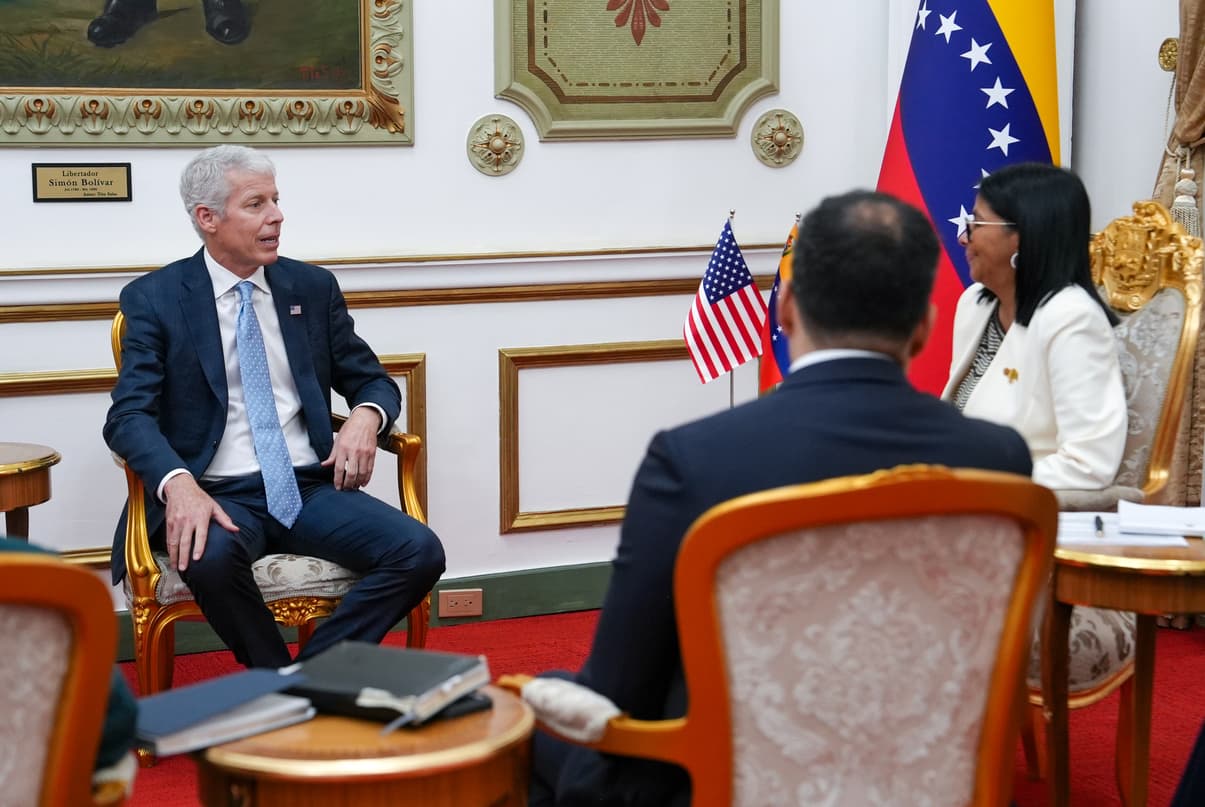
Today’s ESG Updates US Energy Secretary Insists It Is Not “Stealing Venezuelan Oil”: U.S. Energy Secretary Chris Wright denies that Washington is “stealing” Venezuelan oil, even as new deals give the U.S. majority control of ~65 billion barrels. Trump Targets UK Energy Policy and Migration in Fresh Criticism: Trump said Britain faces energy and immigration
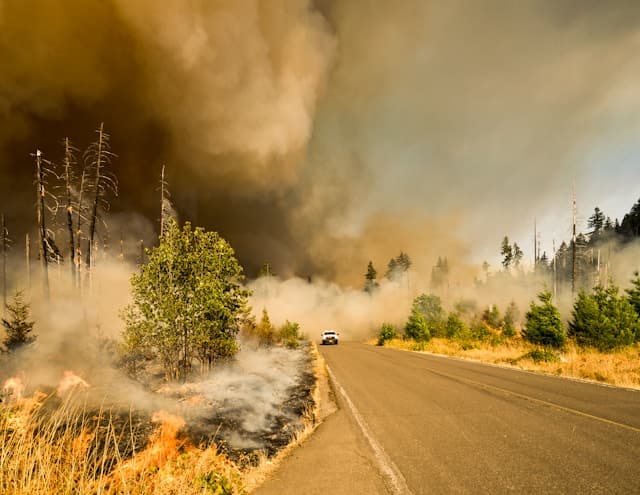
Today’s ESG Updates Uninsured Losses From Natural Disasters Rise: New research shows 62% of global catastrophe losses go uninsured, as insurers retreat from high-risk markets even as industry-wide losses climb. South African Researchers Turn Polluted River Into Irrigation Source: A chemical-free filtration system using stones, wood and sand is turning contaminated water into a resource
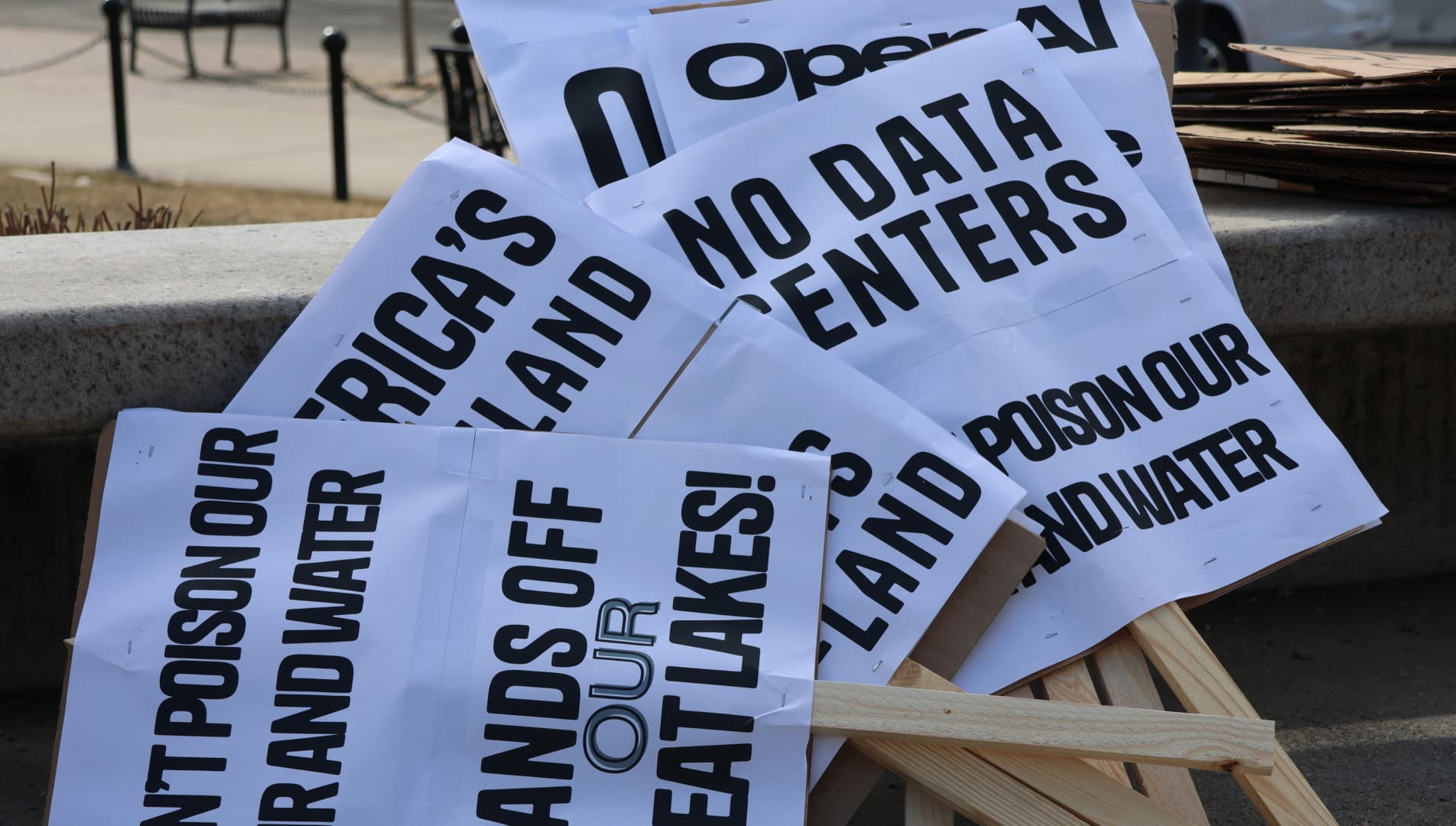
There is a war in the United States against data centers that are being built to enable our vast new Artificial Intelligence (AI) systems to function. All over the country, protestors are circulating petitions and lawmakers from both sides of the aisle are proposing statewide moratoriums on data center development. According to Data Center Watch,
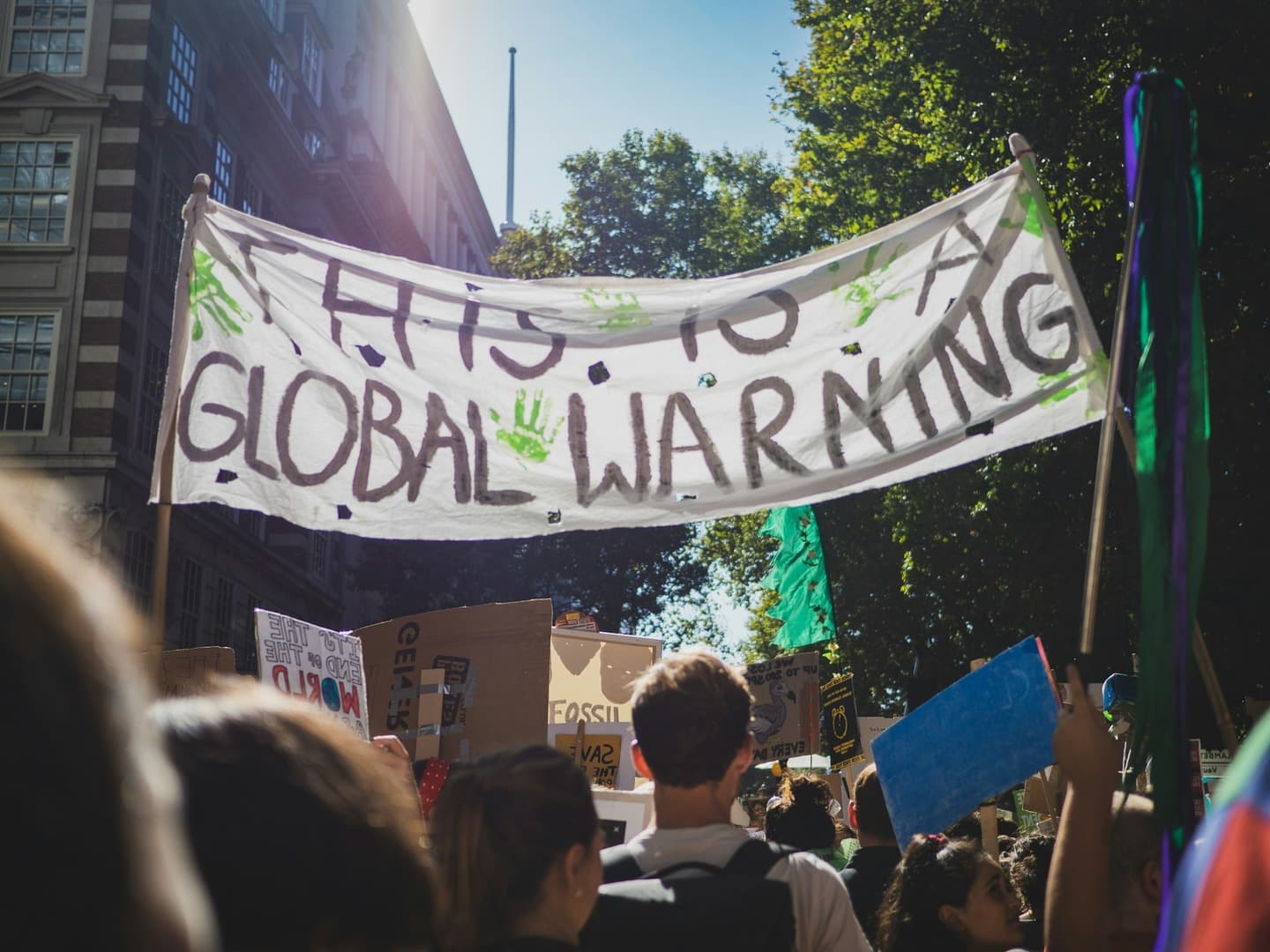
Today’s ESG Updates Extreme Heat Cancels Climate Event: A London Climate Action Week event on extreme heat governance was ironically cancelled due to a red extreme temperature warning. European Green Party Demands Emergency Summit: Europe’s Green Party is urging EU leaders to hold an emergency meeting to strengthen climate protections. EIB Grants €70M for Green

Today’s ESG Updates Spanish Watchdog Investigates Six Major Banks: The regulator will examine whether public statements influenced competition in mortgage pricing. UK to Ban Social Media for Under-16s: Prime Minister Keir Starmer says the move will restrict access to platforms like TikTok and Instagram to improve child safety online. CDP Announces Major Structural Overhaul: The

Game theorists are needed more than ever. In a world riddled with political, economic and social and environmental crises, game theory — developed back in the 1940s, and widely applied in various fields such as economics and social sciences — could help come up with useful strategies for resolution. Game theorists use the language of mathematics to
The emperor penguin and Antarctic fur seal are now on the IUCN Red List of Threatened Species. As the IUCN explains, climate change is to blame for the declines in both species. Warming temperatures are altering sea-ice conditions in ways projected to halve emperor penguin populations by the 2080s. For Antarctic fur seals, climate change