
In the news
Loading

Major financial institutions have publicly committed to staying out of the deep-sea mining industry. The money tells a different story. A recent DW investigation found that some of the world’s most prominent banks have invested at least $684 million (€581 million) in companies linked to the industry, among them Deutsche Bank, UBS, Credit Suisse, Crédit
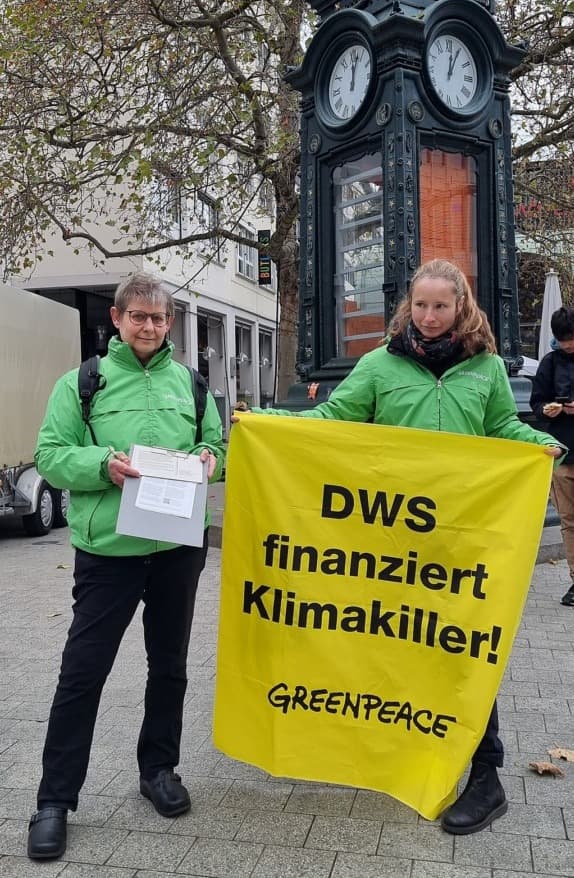
Today’s ESG Updates DWS Fined €25 Million for Greenwashing: Deutsche Bank’s asset manager DWS hit with a €25 million fine over misleading ESG claims. EU Seeks Public Input on Budget: The EU Commission launches consultations to shape future budget on decarbonisation and military spending. China Restricts US Investments: China halts investment approvals in the US

Today’s ESG Updates Trump’s AI Push Fuels Gas Plant Expansion: Air quality is being threatened as at least 82 gas-burning power plants are being built to power U.S. data centers. SA-H2 Fund Closes First Round for Southern Africa: The green hydrogen and energy transition fund secured around $184 million from investors. Sonnedix Secures €730 Million

Today’s ESG Updates EU Leaders Meet on Competitiveness: European Union leaders gathered at an informal summit in Belgium to strengthen economic growth, boost the single market, and advance the EU’s simplification agenda. Trump Repeals EPA Endangerment Finding: President Trump repealed the EPA’s 2009 scientific determination on greenhouse gases, removing 17 years of emissions limits. Trump

Today’s ESG Updates: Europe’s Chemical Industries at Breaking Point: INEOS Chair and CEO Sir Jim Ratcliffe warns that without immediate EU action, the European chemicals industry risks falling behind competitors. Indonesia’s 2026 Nickel Permit Quotas Slash Global Supply: Indonesia plans to cut nickel mining quotas in 2026, sending nickel “futures” on the London Stock Exchange higher.

Today’s ESG Updates EU Banks to Exit Net-Zero Climate Alliance: Major EU banks are quietly withdrawing from the Net-Zero Banking Alliance, citing political backlash from the U.S. Reform of EU Waste Management Could Cut Carbon Emissions: A new EU study found that improved waste sorting and recycling could save €136 billion annually and significantly reduce
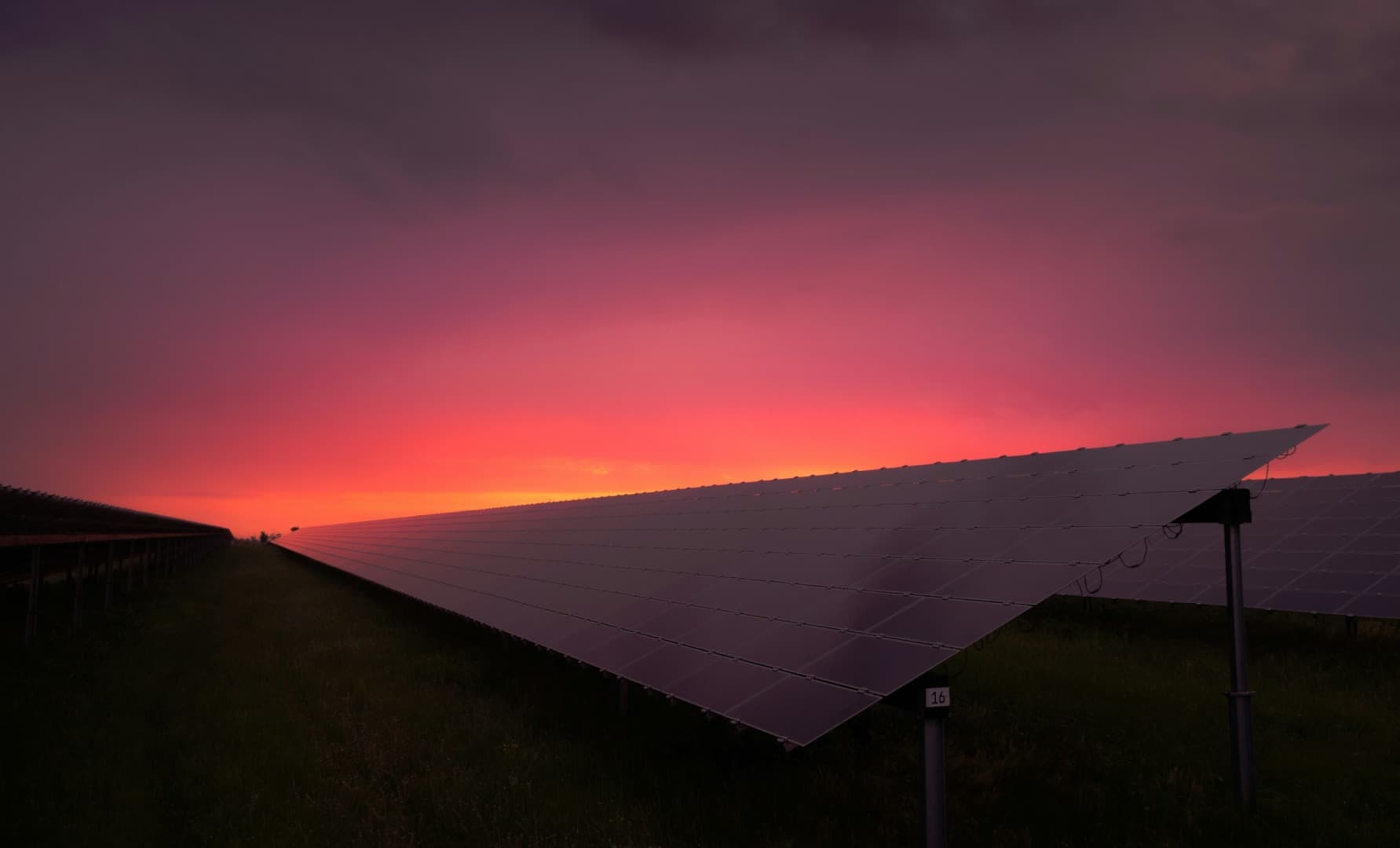
Today’s ESG updates: Solar energy faces challenges under Trump as the focus shifts back to fossil fuels. An international football team advances its ESG efforts, emphasising social inclusion and environmental impact. Demand for CSRD software continues to rise amid increasing regulatory pressures. Trump’s election win raises concerns for the renewable energy sector Following Trump’s election

Today’s ESG updates cover Microsoft’s innovative push for low-carbon data centres using sustainable materials, MainStreet Partners’ appointment of Sophie Meatyard as funds research director, Germany’s planned update to its Green Bond Framework, and Canada’s expansion of mandatory climate disclosures for large companies. These moves underscore a strong commitment to advancing ESG and sustainability goals across

Rivian, the American automotive and technology company founded in 2009, announced on July 3 that it has produced 13,992 electric vehicles (EVs) in the second quarter of this year, 4,597 more than in the first quarter of 2023, when Rivian produced 9,395 EVs and delivered 7,946. According to their announcement, Rivian delivered 12,640 electric vehicles

Banking should not cost the world. This is one of the mottos of Tomorrow a fintech company that strives to make banking more sustainable. On a mission to bring change in a sector where greenwashing is quite a common practice, Tomorrow was launched in 2018 in Germany. Having reached the milestone of 100,000 customers just

The Impakter Index for the Top 100 Financial Institutions in 2020 has just been released. Described as “a practical guide for eco-conscious individuals by empowering them to make better purchasing and investment decisions in their everyday lives”, this particular Index is much more than that. Compared to the first two – covering the Top 100
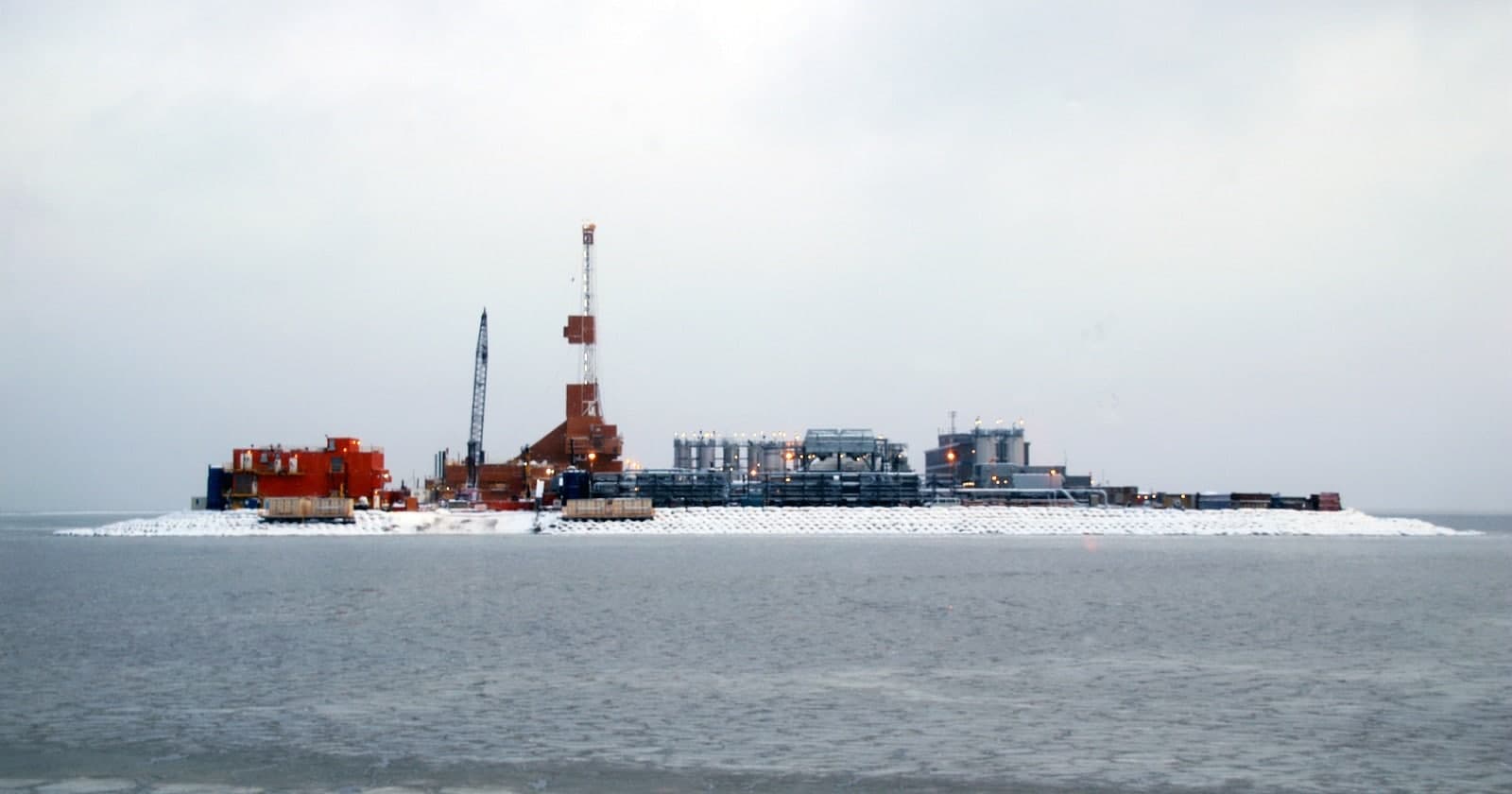
The evidence is in: Global banks don’t fight climate change, they support climate disaster. Despite the warnings coming from scientists on the Intergovernmental Panel on Climate Change (IPCC), they continue to invest in the fossil fuels industry. Yet warnings have intensified in the last two years, starting with the October 2018 IPCC report on the