
In the news
Loading
These stories mention CMS in passing rather than reporting on it directly.

At least seven of the 21 BRICS+ economies are directing subsidies toward electric vehicles (EVs) and transport services widely used by lower- and middle-income people — from two- and three-wheelers to buses and shared transport. EVs are often portrayed as products for affluent households. Yet some BRICS+ economies direct support to electric two- and three-wheelers
In recent years, cryptocurrencies have often been portrayed as instruments of economic freedom, financial innovation, and the democratization of finance. However, public debate often overlooks a fundamental point: money is not just another technology. Money is one of the primary instruments of economic governance, financial control, and public policy available to modern states. For this

Today’s ESG Updates EPA Eases Pollution Rules for Data Center Power: Off-grid facilities supplying electricity only to data centers will fall outside federal Clean Air Act requirements. EU Fine Triggers New Wave of Litigation Against Google: Lawyers say the latest EU antitrust ruling could open the door to up to $10 billion in rival lawsuits
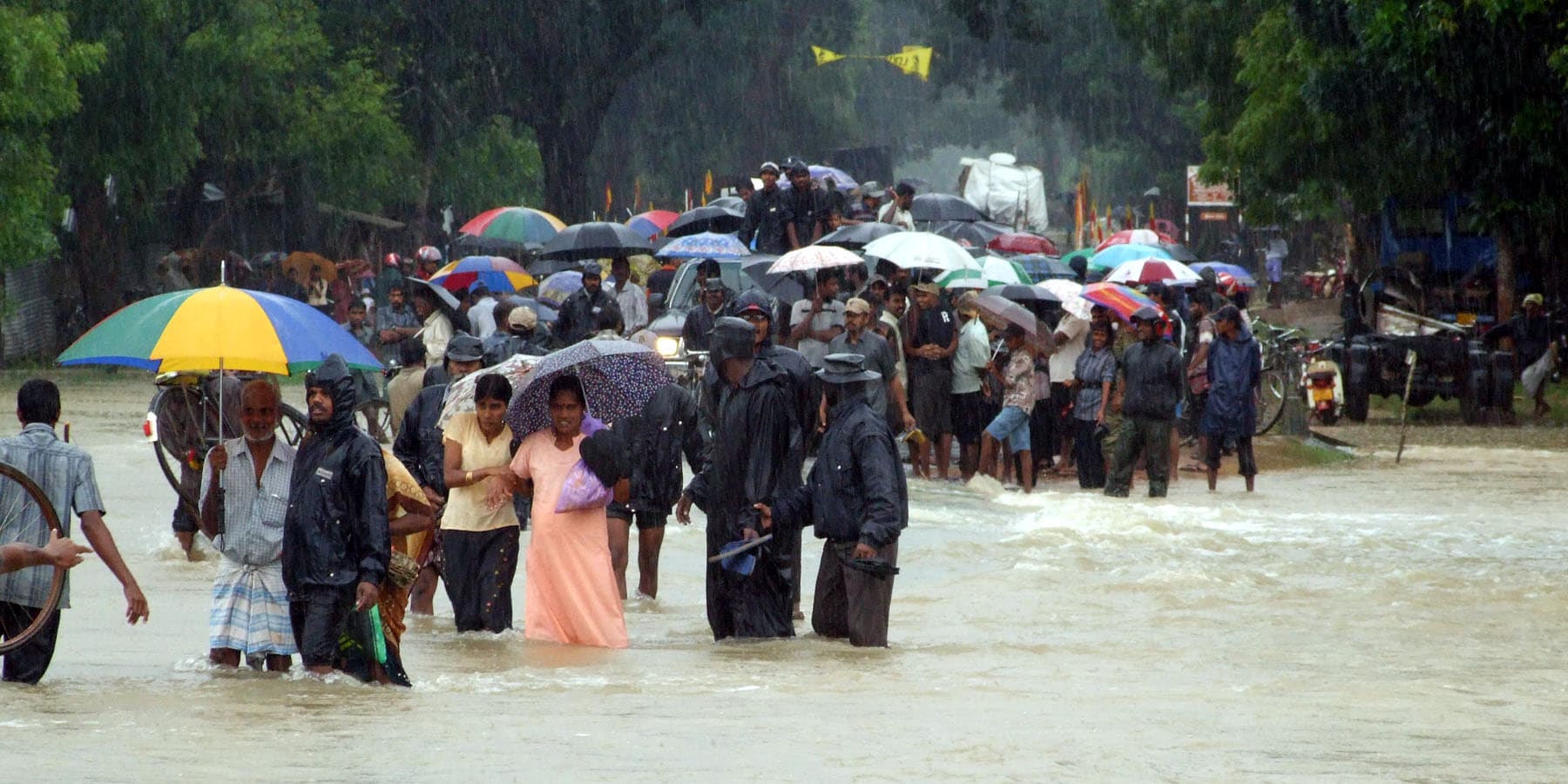
Every June, around World Refugee Day, the United Nations refugee agency releases Global Trends, its annual account of forced displacement. We have just crossed another World Refugee Day, and the figure remains unthinkable: 117.8 million people were forcibly displaced at the end of 2025. That is one in every 70 people on earth. Although this was the first
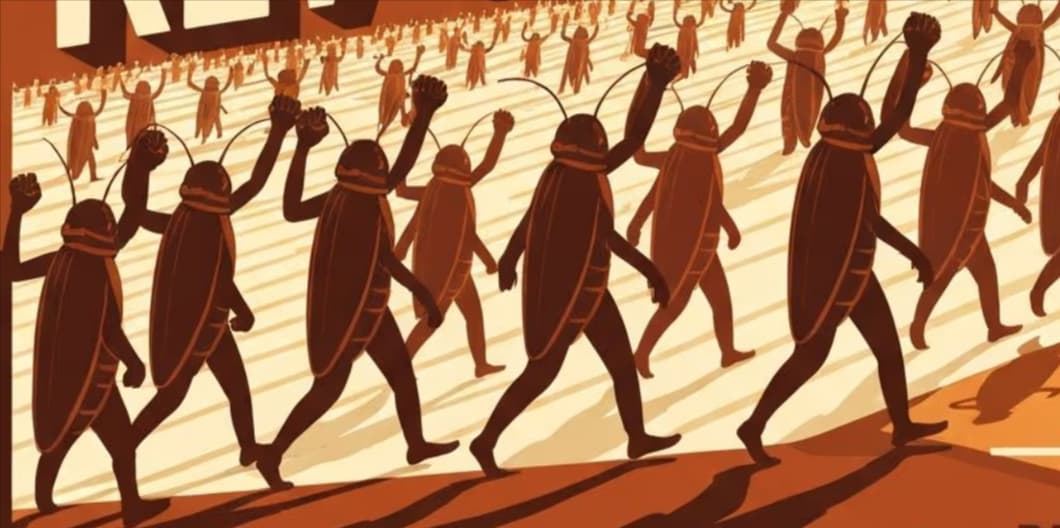
The recent blocking of the “Cockroach Janta Party” account revealed something deeper than the fate of a meme page or a digital political formation. The Cockroach Janta Party (CJP) is an anonymous, leaderless Indian political movement that emerged in 2026 as a response to education system failures and institutional accountability. The party gained prominence through decentralized digital coordination
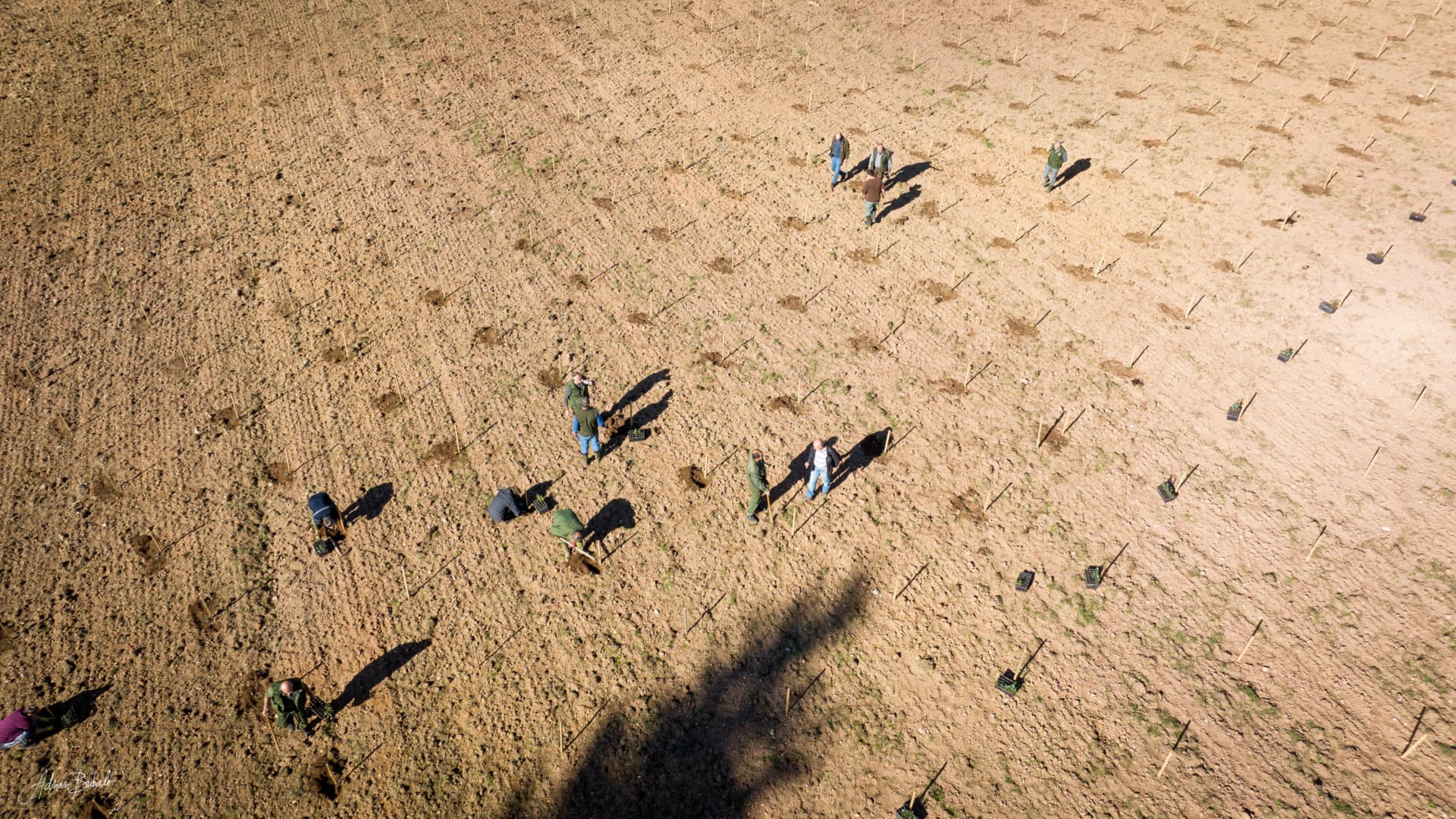
For more than two decades, I have heard a familiar refrain in conversations about biodiversity and development: “Nature is important, but we need to prioritize jobs and economic growth.” It is often framed as an inevitable trade-off — as though protecting ecosystems only comes at the expense of prosperity. But the evidence points in the

On February 2, U.S. District Judge Ana Reyes temporarily blocked the Trump administration’s plan —announced just days after the president took office in early 2025 — to terminate Temporary Protection Status (TPS) for Haitians, of which there are 350,000. The administration argued that Haiti had “improved sufficiently” to allow safe return. But the record before
Meta has announced that it will discontinue end-to-end encryption (E2EE) in Instagram direct messages (DMs) and calls starting May 8, 2026. Removing the feature means that Meta will now be able to see messages between all users, not just those of users who did not have encryption enabled. The announcement was made in the Instagram

In less than a week the latest Gulf war has already triggered turbulence across global energy markets. US natural gas futures climbed to around $3 per MMBtu (million metric British thermal unit) as escalating strikes between Washington, Tel Aviv and Tehran raised fears of supply disruptions. Brent crude briefly spiked before stabilising near $US 79 per barrel, WTI (West
Back in 2011, I had a bad habit of logging into WebMD, inputting my cold symptoms, and convincing myself I had an incurable disease. Flash forward 15 years, and AI chatbots have replaced WebMD’s symptom checker, with users consulting bots for health advice every day. But can AI health advice really be trusted? AI-Generated Health
The United States’ longest federal government shutdown, because Congress and the President have seemingly been unable to find common ground, may be ending soon. A major sticking point has been federal government health insurance subsidies: in time-honored fashion, the U.S. Senate “kicked the can down the road” and agreed to “discuss” the Patient Protection and

For much of the last century, financial logic was governed by a simple, foundational rule: equities for growth, representing a bet on a prosperous future, and gold as a safe-haven, serving as insurance against a disastrous one. This essential dichotomy dictated global capital flows. In 2025, this logic has dissolved. We observe a profound and