

ESG
Environmental, Social, and Governance — the three central pillars used to measure the ethical, sustainability, and non-financial performance of an organization or investment.
Knowledge Center
Plain-language definitions, sector guides and the history behind the standards shaping the Index.
Glossary
Sector Guides
Climate risk, sustainable finance disclosures and portfolio alignment.
Emissions reduction, supply chain traceability and circular production.
Embodied carbon, materials sourcing and green building certification.
Facility emissions, care-sector resilience and social impact reporting.
Agricultural emissions, packaging waste and supply chain transparency.
Grid decarbonisation, renewable transition and regulatory compliance.
Campus emissions, curriculum reform and closing sustainability skills gaps.
History
How ESG reporting became a legal requirement across the EU
2014
NFRD adopted — first EU law requiring large companies to disclose non-financial information.
2020
EU Taxonomy Regulation enters into force, defining sustainable economic activity.
2021
SFDR applies, introducing disclosure rules for financial market participants.
2023
CSRD enters into force, expanding scope and detail of mandatory ESG reporting.
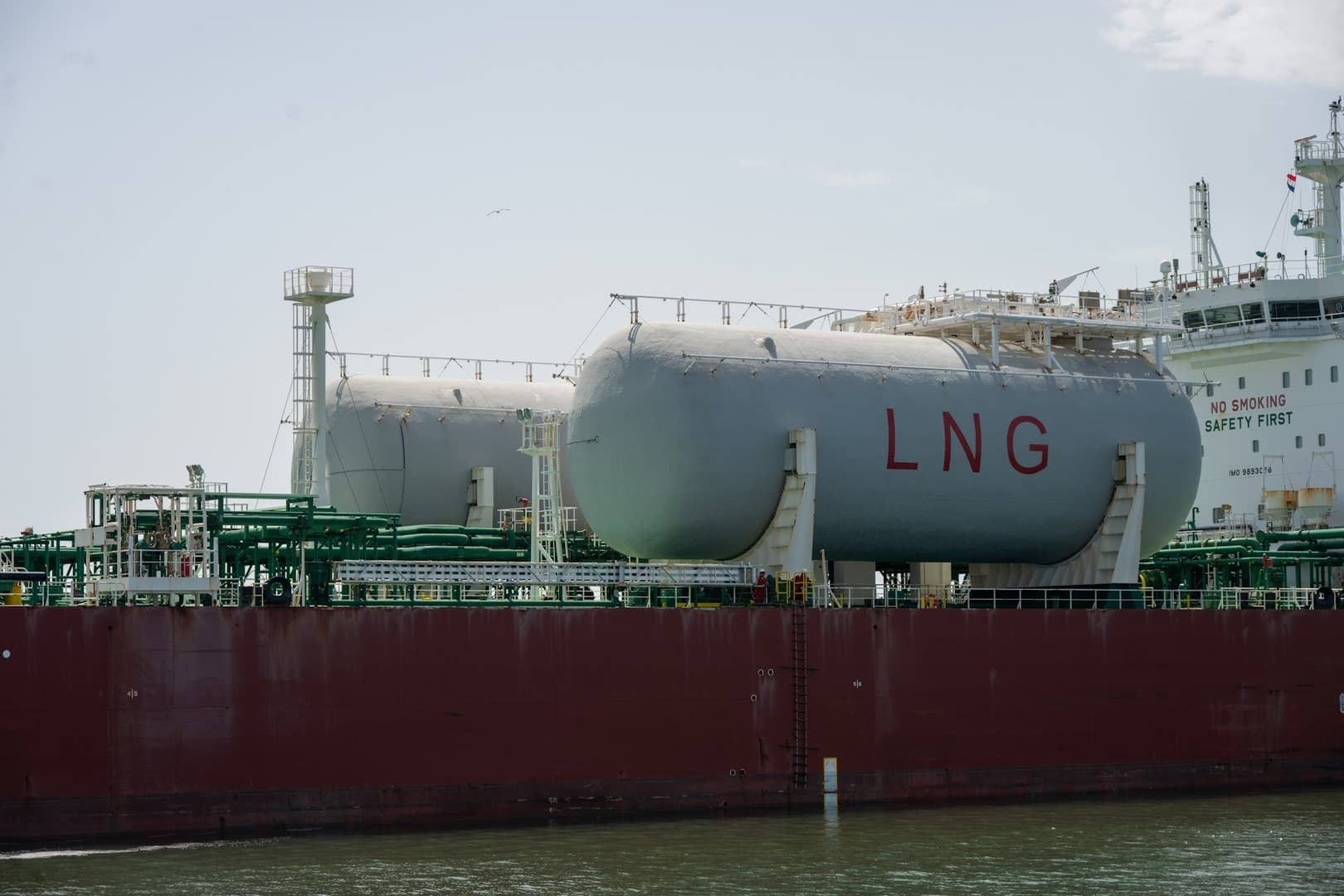
Today’s ESG Updates Brussels Looks to Canadian Gas as Storage Runs Low: A draft summit statement sets out a feasibility study on long-term LNG shipments to Europe, alongside work on grids and battery storage. Campaigners warn it risks locking in fossil infrastructure and stranded assets. EPA Moves to Scrap the 2024 Methane Rule for Oil
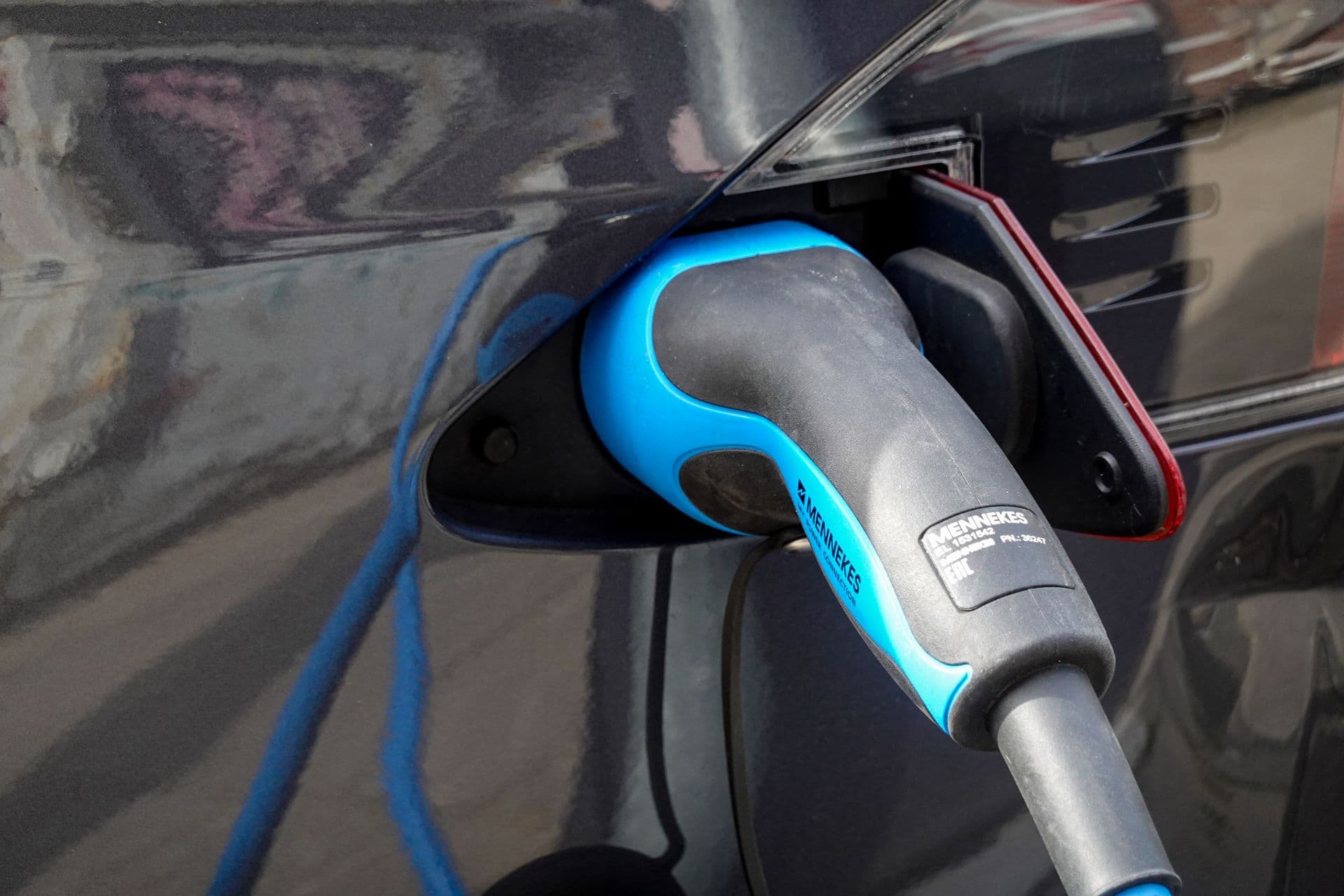
Today’s ESG Updates UK Weighs Vehicle-to-Grid Perks for Carmakers: Ministers weigh credits for carmakers that add V2G tech to EVs, but campaigners warn the plan could allow more petrol car sales. Jakson Solar Plans Up to $525 Million for Indian Solar Cell and Wafer Plants: The firm aims to commission 3 GW of cell capacity

Today’s ESG Updates Copper’s AI Supercycle May Be More Hype Than Boom: Copper demand is still growing, but the AI-driven “supercycle” narrative may be overestimating the metal’s upside while ignoring price-driven substitution and China’s weakening consumption. Mexico’s Clean-Energy Push Trails Latin America as Natural Gas Fills the Gap: Mexico’s plan to expand CFE renewables is

Today’s ESG Updates Climate Plans Bring Lower Borrowing Costs: Research from the International Transition Plan Network found that transition plans including, for example, net-zero targets and CO2 emission measurement decreased company borrowing costs by 0.8 percentage points on average. First Russian Diesel Sets Sail to America: After a surprise agreement between Putin and Trump, waiving

Today’s ESG Updates Google Felled a Finnish Forest Without the Permits to Do It: Around 250,000 trees were cleared at Muhos, topsoil and all, before the required environmental assessments were completed. The regulator has halted work at two datacentre sites belonging to a €13 billion AI project. AI Gets the Credit as Barclays Sheds 5,000
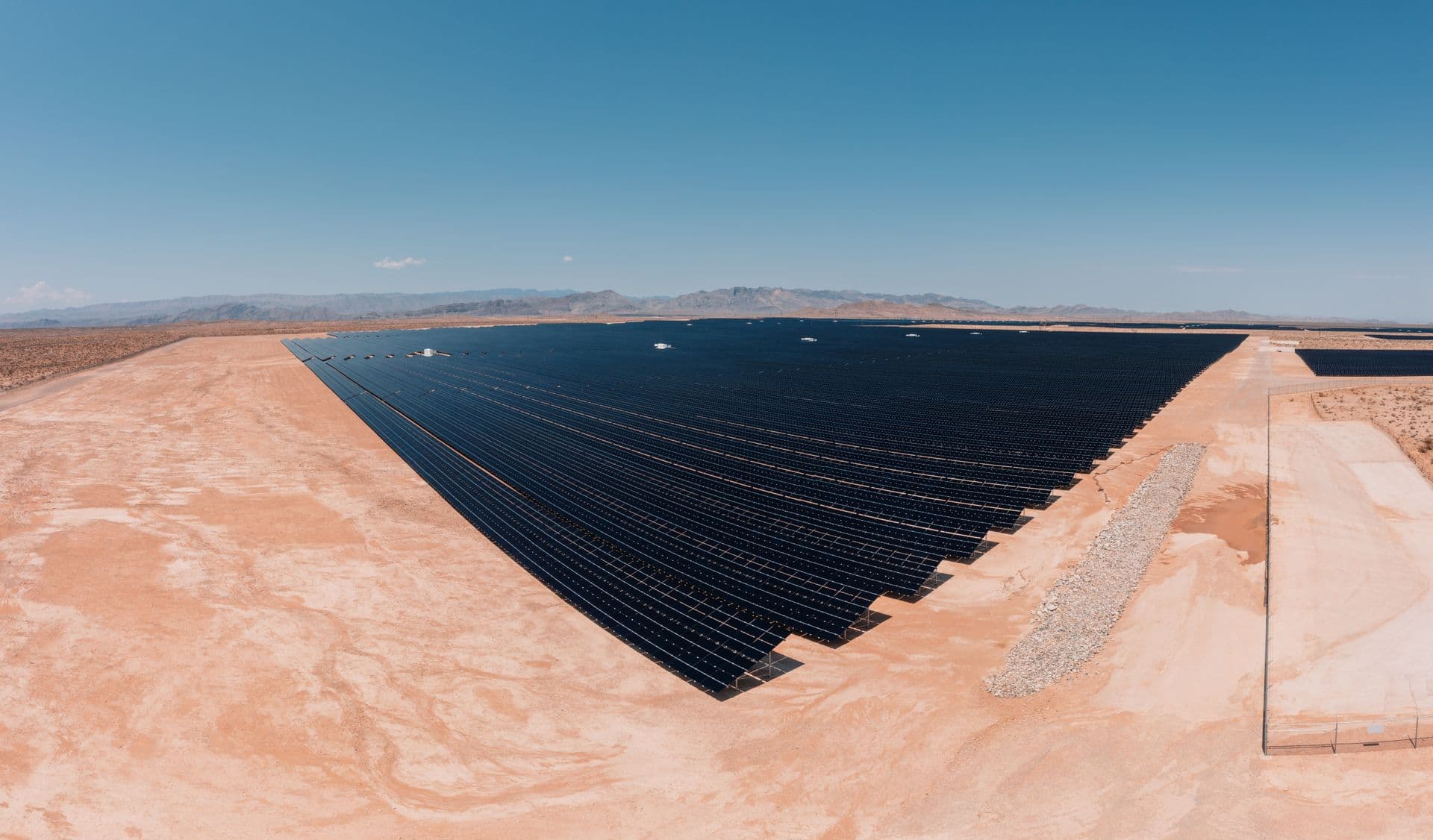
Today’s ESG Updates China Wants Cleantech Tariffs on the COP31 Agenda: Vice Minister Li Gao calls protectionism a new problem for climate action, in a remark read as aimed at U.S. and EU trade policy. Kenya Signs $160 Million Deal to Protect 173,000 Sq Km of Wild Landscapes: The Thamani Asili program pairs $80 million